
Newest Drops…
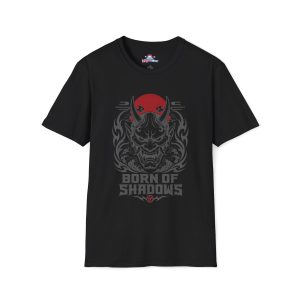
49.95 $
Sale!

Original price was: 49.95 $.33.95 $Current price is: 33.95 $.
Sale!
Original price was: 49.95 $.33.95 $Current price is: 33.95 $.
Sale!
Original price was: 49.95 $.33.95 $Current price is: 33.95 $.
What Are Yōkai?
Yōkai (妖怪) are supernatural beings, spirits, monsters, and strange creatures from Japanese folklore. Some are playful tricksters. Others are guardians, shape-shifters, or terrifying entities that lurk in forgotten places.
Unlike many Western monsters, Yōkai are not always good or evil. They often exist somewhere in between, reflecting the unpredictable forces of nature, human emotions, and the mysteries of the world around us.
For centuries, Yōkai stories have been passed down through villages, temples, and families, becoming an essential part of Japanese culture.
Within the world of Yōkai, you’ll often find:
- Kitsune (fox spirits)
- Oni (demons and ogres)
- Tengu (mountain spirits)
- Nekomata (supernatural cats)
- Bakeneko (shape-shifting cats)
- Kappa (river creatures)
- Tsukumogami (living objects)
- Yuki-onna (snow spirits)
- Japanese ghosts and spirits
- Folklore monsters and legends
Sale!
Original price was: 49.95 $.33.95 $Current price is: 33.95 $.
Sale!

Original price was: 49.95 $.33.95 $Current price is: 33.95 $.
Sale!

Original price was: 49.95 $.33.95 $Current price is: 33.95 $.
Sale!
Original price was: 49.95 $.33.95 $Current price is: 33.95 $.
Sale!

Original price was: 49.95 $.33.95 $Current price is: 33.95 $.
Sale!

Original price was: 49.95 $.33.95 $Current price is: 33.95 $.
Sale!
Original price was: 49.95 $.33.95 $Current price is: 33.95 $.
Sale!
Original price was: 49.95 $.33.95 $Current price is: 33.95 $.
Sale!
Original price was: 49.95 $.33.95 $Current price is: 33.95 $.
Sale!
Original price was: 49.95 $.33.95 $Current price is: 33.95 $.
Sale!

Original price was: 49.95 $.33.95 $Current price is: 33.95 $.
Sale!

Original price was: 49.95 $.33.95 $Current price is: 33.95 $.
Sale!

Original price was: 49.95 $.33.95 $Current price is: 33.95 $.


33.95 $

33.95 $
33.95 $
33.95 $

33.95 $
33.95 $
33.95 $
Sale!

Out of stock
Original price was: 49.99 $.33.95 $Current price is: 33.95 $.
Sale!

Out of stock
Original price was: 49.99 $.33.95 $Current price is: 33.95 $.
Sale!
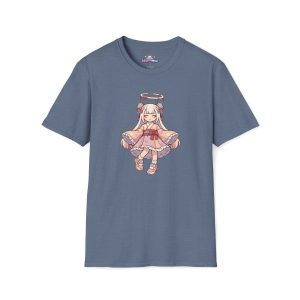
Original price was: 49.95 $.33.95 $Current price is: 33.95 $.
Sale!
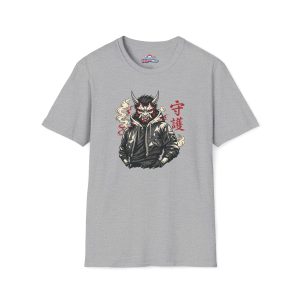
Original price was: 49.95 $.33.95 $Current price is: 33.95 $.
Sale!

Original price was: 49.95 $.33.95 $Current price is: 33.95 $.
Sale!

Original price was: 49.95 $.33.95 $Current price is: 33.95 $.
Sale!

Original price was: 49.95 $.33.95 $Current price is: 33.95 $.
Understanding the Yōkai Aesthetic
The Yōkai aesthetic combines mystery, folklore, darkness, and imagination. It blends ancient legends with striking visual symbolism that continues to inspire modern Japanese art and fashion.
Common visual elements include:
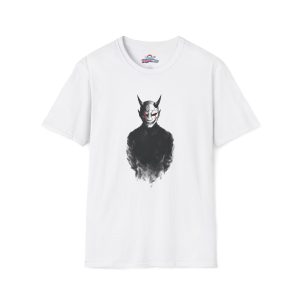
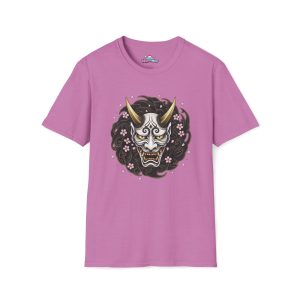
Oni masks and demon faces
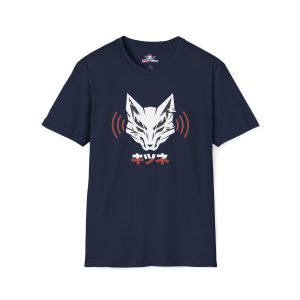
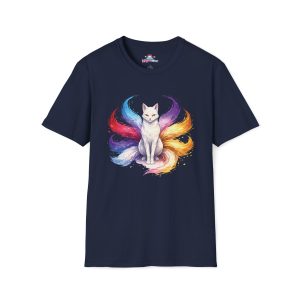
Kitsune foxes with multiple tails
Tengu warriors with red faces and wings
Moonlit forests and mountain shrines
Torii gates and mist-covered landscapes
Glowing eyes and supernatural spirits
Traditional Japanese patterns mixed with bold graphic artwork
The overall mood is mysterious, rebellious, powerful, and slightly unsettling. This balance of beauty and darkness makes Yōkai one of the most popular themes in Japanese-inspired streetwear.
Fun Fact
Did You Know?
Many ordinary household objects could become Yōkai.
According to Japanese folklore, tools and possessions that survived for 100 years could awaken as Tsukumogami—living objects with their own personalities. Even an old umbrella might gain a face, arms, and a mischievous attitude.
An Interesting Fact About Yōkai
Many Yōkai were created to explain the unexplainable.
Before modern science, strange sounds in the forest, unusual weather, missing items, or mysterious illnesses often became linked to supernatural beings. Rather than seeing the unknown as something to eliminate, Japanese folklore often transformed it into stories and characters.
This helped communities make sense of a world filled with uncertainty while creating legends that survived for generations.
The Enduring World of Yōkai: Why Japan’s Monsters Never Disappeared
“Every Shadow Has a Story”
Walk through an old Japanese forest at dusk. Mist settles between the trees. A distant shrine stands quietly beneath the mountain. The path ahead seems ordinary, but folklore suggests otherwise.
Perhaps a fox is watching from the shadows.
Perhaps an old spirit lives within the nearby stream.
Perhaps the world is far more alive than it first appears.
This is the world of Yōkai.
For centuries, Japanese folklore has been filled with stories of supernatural beings that inhabit mountains, rivers, homes, forests, and even everyday objects. Unlike the monsters of many Western traditions, Yōkai are rarely simple villains. They are unpredictable, complex, and often deeply human in their behavior.
Some Yōkai protect sacred places. Others play tricks on travelers. Some punish arrogance, while others reward kindness. Their stories reflect the belief that the world contains hidden forces deserving respect.
The roots of Yōkai can be traced back to Japan’s earliest spiritual traditions. In a culture shaped by Shinto beliefs, nature itself was often viewed as sacred. Mountains, rivers, trees, and animals could possess spiritual significance. Over time, local legends combined with religious influences and oral storytelling to create a vast collection of supernatural creatures.
As Japan evolved, so did its Yōkai.
Artists during the Edo period created illustrated scrolls filled with bizarre spirits and monsters. Storytellers expanded old legends. Villages added local variations. New creatures appeared, while older tales were reimagined for new generations.
One reason Yōkai remain popular today is their incredible diversity.
The clever Kitsune symbolizes intelligence, mystery, and transformation.
The fearsome Oni represents chaos, punishment, and raw power.
The proud Tengu embodies martial skill, pride, and mountain wisdom.
The eerie Nekomata explores humanity’s fascination with cats and the unknown.
Each creature carries its own symbolism, allowing people to connect with different aspects of Japanese folklore.
This symbolic richness explains why Yōkai continue to influence contemporary art and fashion.
Japanese streetwear has long embraced imagery that tells a story. Rather than relying on simple logos, many designs draw inspiration from mythology, folklore, and cultural symbolism. Yōkai naturally fit this approach.
An Oni mask can represent strength and defiance.
A Kitsune can symbolize transformation and independence.
A Tengu may evoke discipline, confidence, and mastery.
These meanings give the artwork depth beyond its visual appeal.
Yōkai also align perfectly with one of the defining characteristics of Japanese street fashion: the celebration of contrasts.
Cute and unsettling.
Beautiful and dangerous.
Ancient and modern.
Traditional and rebellious.
The same spirit that made Yōkai legends memorable centuries ago continues to inspire artists, designers, and creators today.
In many ways, Yōkai have survived because they evolve. They move between folklore, literature, art, gaming, fashion, and popular culture without losing their core identity. They remain symbols of mystery in an increasingly predictable world.
And perhaps that is why people continue to love them.
Yōkai remind us that not everything needs a simple explanation. Sometimes the unknown is what makes a story worth telling.
Sometimes the shadows are where imagination begins.
Why Fans Love Yōkai
Yōkai continue to capture people’s imagination because they represent something deeper than simple monsters.
Fans love Yōkai because they:
Celebrate mystery and imagination
Blend beauty with darkness
Reflect human emotions and fears
Connect modern life to ancient traditions
Inspire unique art and fashion
Offer endless stories and symbolism
Feel more complex than traditional heroes or villains
For many people, Yōkai represent the idea that the world is stranger and more magical than it appears.
Join the World of Yōkai
Love Japanese folklore, supernatural legends, and mysterious streetwear aesthetics?
Join the NipponWear newsletter and get:
New Yōkai-inspired design releases
Japanese folklore stories and cultural insights
Early access to limited collections
Exclusive subscriber-only offers
Inspiration from Japan’s most legendary creatures
Step beyond the ordinary and explore the legends that continue to inspire Japanese culture.
Frequently Asked Questions
What does Yōkai mean?
Yōkai is a Japanese term used to describe supernatural beings, spirits, monsters, and strange phenomena found in folklore.
Are all Yōkai evil?
No. Some Yōkai are dangerous, some are helpful, and many simply behave according to their own nature.
What is the most famous Yōkai?
Kitsune, Oni, Tengu, and Kappa are among the most widely recognized Yōkai in Japanese folklore.
What's the difference between Yōkai and ghosts?
Ghosts are usually the spirits of deceased humans, while Yōkai include a much broader range of supernatural beings, creatures, and entities.
Why are Yōkai popular in fashion?
Their rich symbolism, striking imagery, and connection to Japanese culture make them powerful visual inspirations for art and streetwear.
Are Yōkai still important in modern Japan?
Yes. Yōkai continue to appear in art, literature, festivals, entertainment, fashion, and contemporary Japanese culture.
What makes Yōkai unique compared to Western monsters?
Yōkai are often morally complex, blending humor, wisdom, danger, and mystery rather than fitting neatly into “good” or “evil” categories.