Newest Drops…

Sale!
Original price was: 49.95 $.Current price is: 33.95 $.

What Is Kawaii?

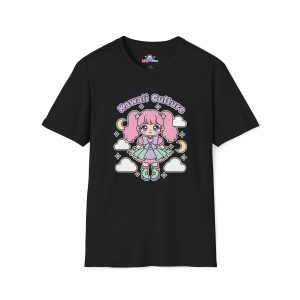
Kawaii (かわいい) is the Japanese word commonly translated as “cute,” but the aesthetic goes far beyond simply making things adorable.

Kawaii is about personality.

Animals, food, monsters, ghosts, and ordinary objects can all become expressive characters with their own moods, quirks, and stories.

A bowl of ramen can look exhausted.

A frog can become a samurai.

A demon can be angry because someone stole its dessert.

That playful transformation of the ordinary into something imaginative is one of the defining characteristics of Kawaii-inspired art.

For NipponWear, Kawaii represents the colorful, humorous, and wonderfully unserious side of Japanese-inspired streetwear.

Within the world of Kawaii, you’ll often find:

  • Chibi characters
  • Cute animals
  • Lucky cats (Maneki-neko)
  • Kawaii food art
  • Pastel aesthetics
  • Harajuku-inspired designs
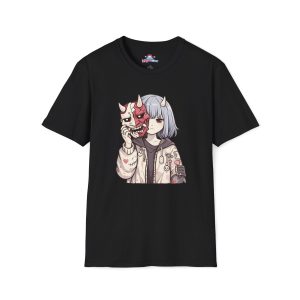
  • Playful demons and monsters
  • Smiling yokai
  • Cute Japanese symbols
  • Whimsical fantasy creatures
  • Mascot-inspired artwork
  • Cozy and nostalgic imagery
Sale!
Original price was: 49.95 $.Current price is: 33.95 $.
Sale!
Original price was: 49.95 $.Current price is: 33.95 $.
Sale!
Original price was: 49.95 $.Current price is: 33.95 $.
Sale!
Original price was: 49.95 $.Current price is: 33.95 $.
Sale!
Original price was: 49.95 $.Current price is: 33.95 $.
Sale!
Original price was: 49.95 $.Current price is: 33.95 $.
Sale!
Original price was: 49.95 $.Current price is: 33.95 $.
Sale!
Original price was: 49.95 $.Current price is: 33.95 $.
Sale!
Out of stock
Original price was: 49.99 $.Current price is: 33.95 $.
Sale!
Out of stock
Original price was: 49.99 $.Current price is: 33.95 $.
Sale!
Out of stock
Original price was: 49.99 $.Current price is: 33.95 $.
Sale!
Out of stock
Original price was: 49.99 $.Current price is: 33.95 $.
Sale!
Out of stock
Original price was: 49.99 $.Current price is: 33.95 $.
Sale!
Out of stock
Original price was: 49.99 $.Current price is: 33.95 $.
Sale!
Original price was: 49.95 $.Current price is: 33.95 $.
Sale!
Original price was: 49.95 $.Current price is: 33.95 $.
Sale!
Original price was: 49.95 $.Current price is: 33.95 $.
Sale!
Original price was: 49.95 $.Current price is: 33.95 $.
Sale!
Original price was: 49.95 $.Current price is: 33.95 $.

Understanding the Kawaii Aesthetic

The Kawaii aesthetic is bright, expressive, playful, and often intentionally whimsical. It transforms ordinary subjects into something lovable and approachable.

Common visual elements include:

Chibi-style characters
Cute animals and mascots
Smiling food and objects
Hearts, stars, and clouds
Pastel color palettes
Bows and playful accessories
Rounded shapes and soft lines
Sweet but slightly mischievous expressions

The overall mood is cheerful, imaginative, comforting, and fun. While some styles focus on softness and innocence, others combine cute imagery with unexpected themes, creating uniquely Japanese contrasts that make Kawaii culture so distinctive.

Fun Fact

Did You Know?

The modern Kawaii movement was partly inspired by a handwriting trend.

In the 1970s, Japanese students began writing with rounded, decorative lettering filled with hearts, stars, and playful symbols. Schools often discouraged it, but the style became hugely popular and helped shape what would later become modern Kawaii culture.

An Interesting Fact About Cute Character Design

One reason cute characters are so memorable is their simplicity.

Large heads, expressive eyes, rounded shapes, and exaggerated emotions allow people to understand a character almost instantly.

You don’t need an entire story.

One expression can tell you everything.

The sleepy cat.

The angry rice ball.

The confused frog.

The suspicious little demon.

This simplicity makes Kawaii artwork especially effective in graphic design and streetwear.

A strong character can communicate personality from across the room.

The Story Behind Kawaii: How Cute Became a Cultural Revolution

“A Small Rebellion Wrapped in a Smile”

At first glance, Kawaii might seem simple.

Cute animals.

Pastel colors.

Happy faces.

Playful designs.

But beneath the surface lies a fascinating cultural movement that changed Japanese fashion and design forever.

The rise of Kawaii began during a period of rapid social and economic change in Japan. As society became increasingly structured and competitive, young people searched for new ways to express themselves.

One unexpected answer was cuteness.

Students began developing unique handwriting styles filled with rounded shapes, decorative symbols, and playful flourishes. This trend represented more than aesthetics. It became a subtle way of rejecting rigid expectations and creating a personal identity.

What started in notebooks eventually spread into magazines, fashion, design, and youth culture.

By the 1980s and 1990s, Kawaii had become a major force within Japanese society.

Brands adopted friendly mascots.

Artists created adorable characters.

Fashion movements embraced playful self-expression.

Entire shopping districts became centers of creative experimentation.

Among these places, Harajuku emerged as one of the most influential fashion hubs in the world. Young people mixed colors, accessories, patterns, and styles in ways that challenged conventional fashion rules.

The result wasn’t just clothing.

It was visual storytelling.

Kawaii fashion encouraged people to create their own worlds through what they wore.

One of the reasons Kawaii remains popular is its flexibility.

Some people embrace soft pastel aesthetics.

Others prefer colorful maximalism.

Some combine cute imagery with streetwear influences.

Others mix sweetness with darker themes.

These combinations reflect one of the most fascinating aspects of Japanese fashion culture: contradictions are welcome.

Cute and rebellious.

Sweet and strange.

Soft and bold.

Playful and powerful.

This creative freedom has helped Kawaii evolve far beyond its original roots.

Today, Kawaii-inspired art appears throughout global fashion, illustration, gaming, and online culture. Yet its core appeal remains remarkably consistent.

People enjoy things that make them smile.

In a world often dominated by stress, competition, and seriousness, Kawaii offers something refreshingly different. It invites people to embrace imagination, humor, and individuality without apology.

This is also why Kawaii translates so naturally into Japanese-inspired graphic apparel.

A great Kawaii design does more than look cute.

It creates a feeling.

It sparks nostalgia.

It starts conversations.

It reveals personality.

A playful cat spirit, a smiling ramen bowl, a mischievous demon, or an unexpectedly adorable monster can instantly communicate something about the person who chooses it.

The wearer isn’t simply displaying artwork.

They’re expressing a mindset.

A willingness to stay curious.

A refusal to become boring.

A belief that creativity belongs in everyday life.

Perhaps that’s the real secret behind Kawaii’s success.

It isn’t about being childish.

It’s about staying connected to the part of ourselves that still finds joy in the unexpected.

And in a world that often takes itself too seriously, that might be more powerful than it appears.

Why Fans Love Kawaii

Kawaii offers something that many people don’t find in everyday life: permission to be playful.

Fans love Kawaii because it:

Encourages self-expression
Creates a sense of comfort and positivity
Blends creativity with individuality
Turns ordinary things into something magical
Celebrates joy without embarrassment
Feels welcoming and inclusive
Balances humor, nostalgia, and imagination

For many people, Kawaii isn’t about acting childish. It’s about refusing to let adulthood erase creativity and wonder.

Frequently Asked Questions

Kawaii is a Japanese word commonly translated as “cute,” but it also represents a broader culture of charm, creativity, and playful self-expression.

No. Kawaii is embraced by people of all ages and influences fashion, art, design, and culture throughout Japan and beyond.

Its positive emotions, approachable designs, and emphasis on creativity make it appealing across cultures and generations.

Pastel pinks, blues, purples, yellows, and other soft, cheerful colors are commonly associated with Kawaii aesthetics.

Yes. Many Japanese subcultures mix cute imagery with gothic, spooky, or rebellious elements, creating unique visual contrasts.

Absolutely. Kawaii has influenced Harajuku fashion, graphic design, accessories, and streetwear culture for decades.

Its focus on emotion, imagination, and visual storytelling gives artists endless opportunities to create memorable and expressive designs.