

Harajuku Highlights…
Sale!

Out of stock
Original price was: 49.95 $.33.95 $Current price is: 33.95 $.
Sale!

Price range: 33.95 $ through 49.95 $
Sale!
Original price was: 49.95 $.33.95 $Current price is: 33.95 $.
Sale!
Original price was: 49.95 $.33.95 $Current price is: 33.95 $.
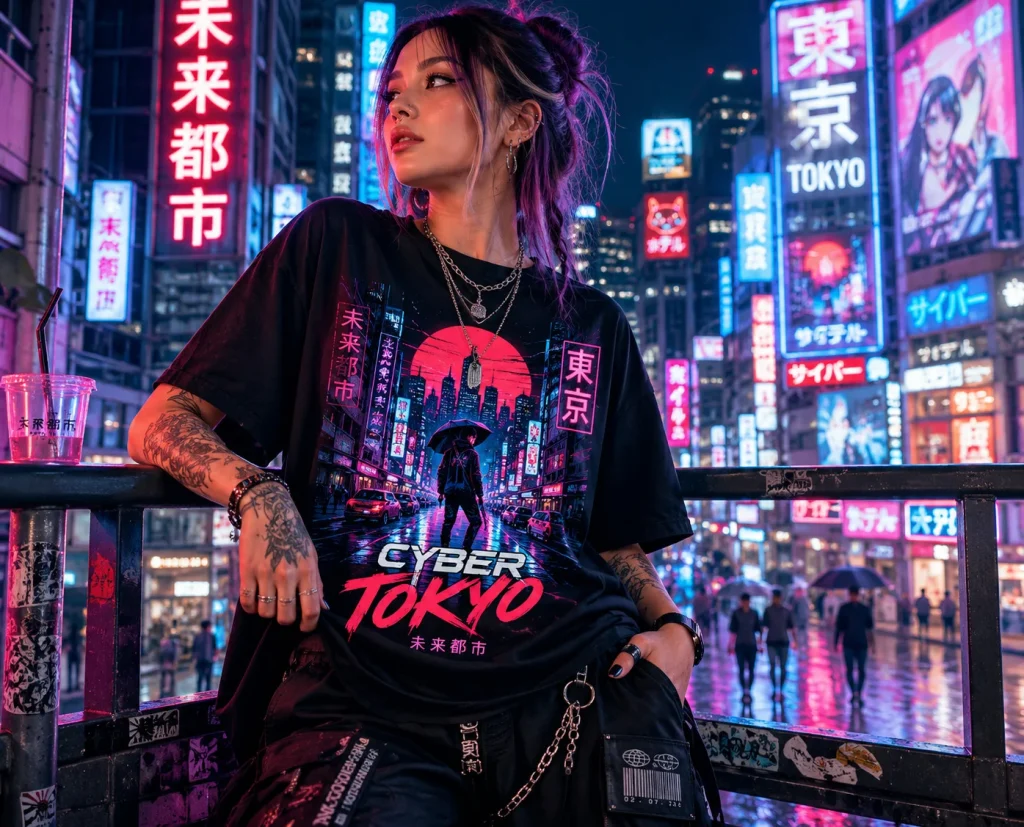
What Is Cyber Tokyo?
Cyber Tokyo is a visual aesthetic inspired by futuristic visions of Japan’s cities, particularly Tokyo.
It blends cyberpunk themes, advanced technology, urban nightlife, and Japanese culture into a unique world filled with neon lights, digital landscapes, and atmospheric city streets.
While not a historical movement like Harajuku or Visual Kei, Cyber Tokyo draws inspiration from decades of futuristic art, science fiction, technology culture, and Japan’s reputation as one of the world’s most innovative countries.
The result is a world that feels both familiar and futuristic—a place where tradition and technology exist side by side.
Within the Harajuku aesthetic, you’ll often find:
- Kawaii-inspired artwork
- Colorful Japanese streetwear
- Decora-inspired visuals
- Playful mascots and characters
- Japanese pop culture influences
- Retro-futuristic graphics
- Weird and whimsical designs
- Bold typography
- Pastel and neon color palettes
- Creative pattern mixing
- Alternative fashion aesthetics
- Self-expression-focused artwork
Sale!
Original price was: 49.95 $.33.95 $Current price is: 33.95 $.
Sale!
Price range: 33.95 $ through 49.95 $
Sale!

Original price was: 49.95 $.33.95 $Current price is: 33.95 $.
Sale!
Out of stock
33.95 $
Sale!
Out of stock
Original price was: 49.99 $.33.95 $Current price is: 33.95 $.
Sale!
Out of stock
Original price was: 49.99 $.33.95 $Current price is: 33.95 $.
Sale!
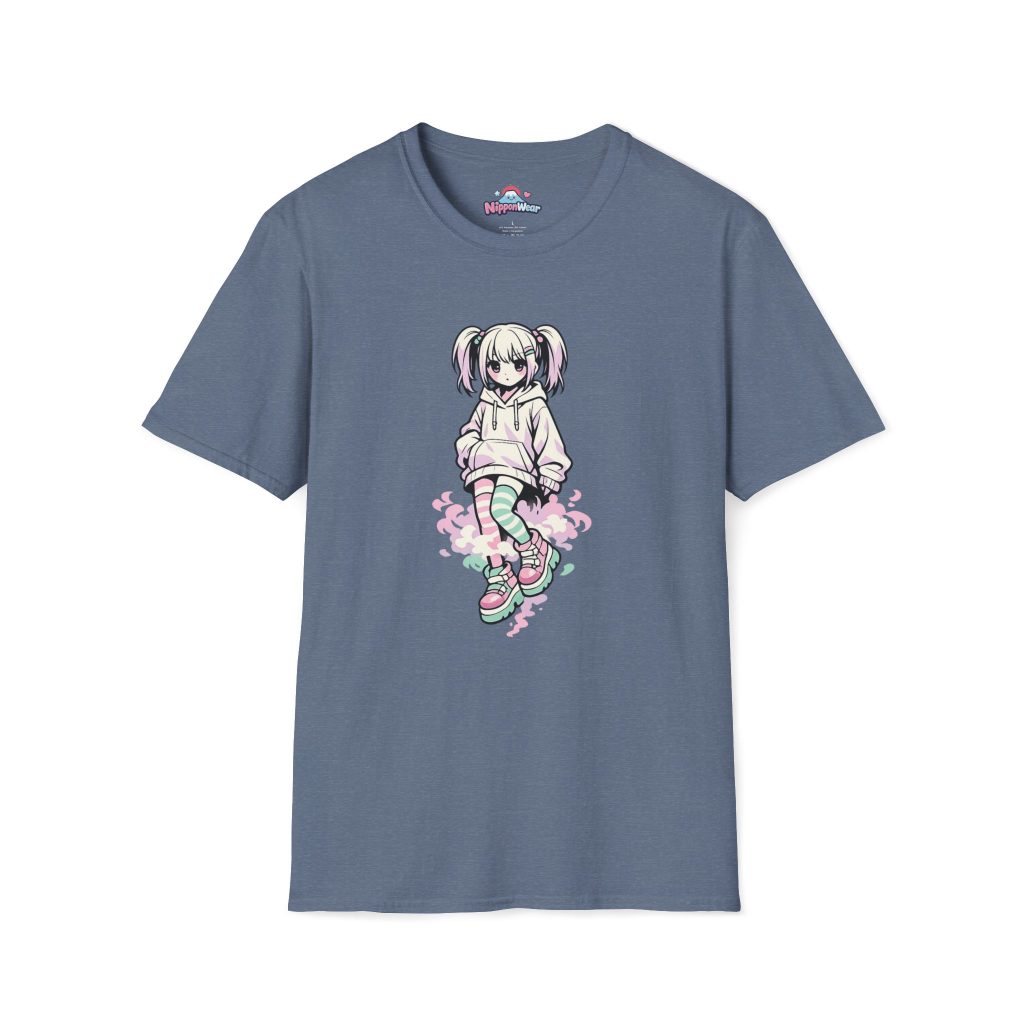
Out of stock
Original price was: 49.99 $.33.95 $Current price is: 33.95 $.
Understanding the Harajuku Aesthetic
The Harajuku aesthetic is difficult to define because it celebrates individuality above all else.
Instead of following a single style, Harajuku encourages people to create their own visual identity by mixing colors, influences, eras, and ideas.
Common visual elements include:
- Bright and contrasting colors
- Layered outfits and accessories
- Oversized graphics
- Cute and rebellious imagery
- Japanese pop culture influences
- Retro and futuristic combinations
- Playful typography
- Stickers, patches, and decorative details
- Cartoon-inspired artwork
- Unexpected fashion mashups
The overall mood is energetic, expressive, playful, and unapologetically unique.
The Harajuku mindset isn’t about fitting in.
It’s about standing out.
Fun Fact
Did You Know?
Some Harajuku fashion styles were intentionally designed to break traditional fashion rules.
Instead of matching colors or following trends, people combined as many accessories, patterns, and visual elements as possible. The goal wasn’t perfection—it was creativity.
For many participants, the more personal the outfit felt, the better.
An Interesting Fact About Harajuku
Harajuku became famous not because of a designer or brand, but because of ordinary people.
The district’s global reputation was built by young creatives gathering on weekends to showcase their outfits, exchange ideas, and inspire one another.
This community-driven creativity helped transform Harajuku into one of the world’s most influential fashion movements.
The Story of Harajuku: How a Tokyo Neighborhood Changed Fashion Forever
“Where Being Different Became the Point”
Most fashion capitals are known for trends.
Harajuku became famous for ignoring them.
That simple difference helped turn a small Tokyo neighborhood into one of the most influential cultural and fashion destinations in the world.
To understand Harajuku, it’s important to understand what made it unique.
Unlike many fashion scenes driven by luxury brands or celebrity influence, Harajuku’s identity was shaped from the street upward. Young people gathered there not to follow fashion but to create it.
Weekends became showcases of imagination.
Friends met to display outfits they had assembled themselves.
Some mixed vintage clothing with futuristic accessories.
Others combined cute aesthetics with punk influences.
Many ignored conventional fashion advice entirely.
The result was something extraordinary.
Fashion became a form of visual storytelling.
Every outfit communicated personality, interests, humor, creativity, and identity.
People weren’t dressing to impress a trend cycle.
They were dressing to express themselves.
This philosophy helped Harajuku become home to numerous fashion subcultures.
Some embraced colorful maximalism.
Others favored pastel fantasy aesthetics.
Some explored gothic elegance.
Others combined streetwear with surreal art.
Each group developed its own visual language while contributing to Harajuku’s larger culture of experimentation.
What united them wasn’t a specific look.
It was a shared belief that creativity mattered more than conformity.
This mindset made Harajuku unlike almost anywhere else in the world.
The neighborhood became a place where contradictions could coexist comfortably.
Cute and rebellious.
Traditional and futuristic.
Dark and playful.
Minimalist and chaotic.
Rather than choosing one identity, people often combined several.
This willingness to embrace contradictions remains one of the defining characteristics of Japanese street fashion today.
It’s also one of the reasons Harajuku continues to inspire graphic apparel and streetwear design.
A great Harajuku-inspired design rarely feels predictable.
It might combine smiling monsters with neon colors.
Traditional Japanese symbols with modern graphics.
Cute mascots with rebellious typography.
The goal is not consistency.
The goal is personality.
This approach creates designs that feel alive because they reflect the spirit of self-expression that made Harajuku famous.
Another reason Harajuku remains relevant is its emphasis on community.
Fashion there was never solely about individual attention.
People inspired one another.
Ideas spread through conversation, creativity, and shared enthusiasm.
New styles emerged because people were constantly experimenting.
That culture of collaboration helped transform Harajuku from a neighborhood into a global symbol.
Today, its influence can be seen far beyond Tokyo.
Artists, designers, photographers, and fashion enthusiasts around the world continue to draw inspiration from its fearless creativity.
Yet the heart of Harajuku remains remarkably simple.
Wear what excites you.
Create what makes you smile.
Mix what shouldn’t work.
Ignore unnecessary rules.
Express yourself honestly.
In many ways, Harajuku represents the best side of fashion.
Not status.
Not conformity.
Not perfection.
Creativity.
And that idea never goes out of style.
Why Fans Love Harajuku
Harajuku continues to inspire people because it celebrates something increasingly rare: originality.
Fans love Harajuku because it:
- Encourages individuality
- Rewards creativity
- Rejects boring fashion rules
- Celebrates self-expression
- Mixes cultures and influences freely
- Embraces fun and experimentation
- Turns fashion into personal storytelling
For many people, Harajuku represents the freedom to be themselves without asking permission.
Frequently Asked Questions
What is Harajuku?
Harajuku is a district in Tokyo famous for its youth culture, creative fashion, and street style movements.
Why is Harajuku important in fashion?
It became a global symbol of self-expression and helped popularize many alternative Japanese fashion styles.
Is Harajuku a specific fashion style?
No. Harajuku is a broader fashion culture that includes many different aesthetics and subcultures.
What colors are associated with Harajuku fashion?
Everything from bright rainbow palettes and pastels to monochrome and neon colors can be found within Harajuku culture.
Why is Harajuku known for creativity?
The neighborhood encouraged people to experiment, mix influences, and create personal styles rather than follow strict trends.
How does Harajuku influence modern streetwear?
Its focus on bold graphics, individuality, playful design, and self-expression continues to shape streetwear around the world.
What makes Harajuku different from other fashion movements?
Harajuku is built around personal creativity rather than a single look, making it one of the most diverse and constantly evolving fashion cultures in the world.